
Top Dentist Serving the Aurora Community

Bone Grafting

Quality Bone Grafting in Aurora
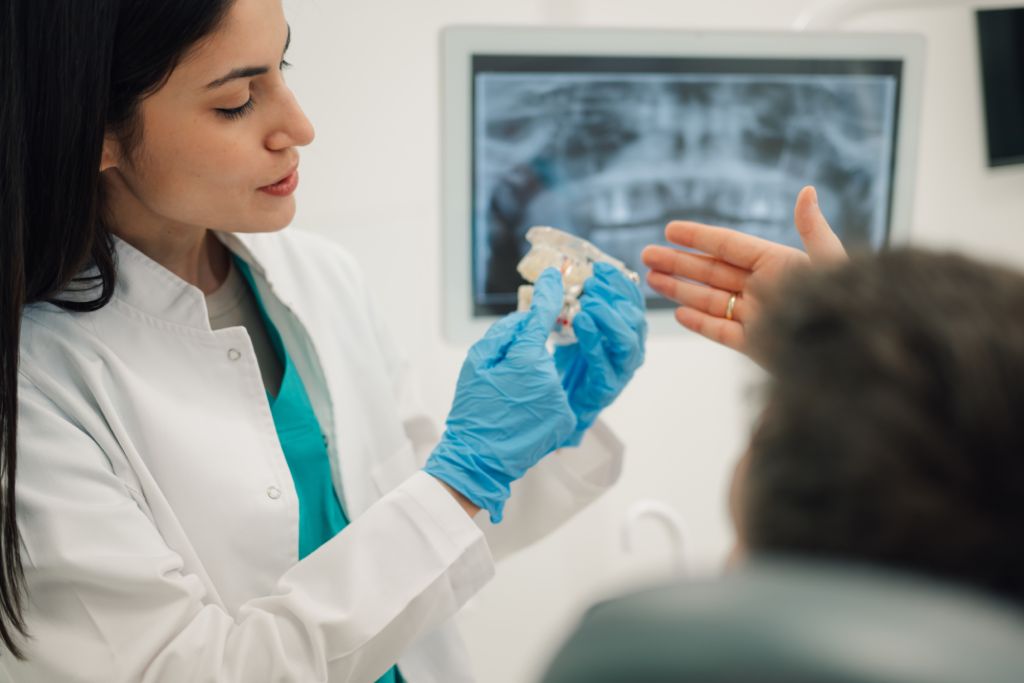
We can only imagine what our bodies would look like without bones. This scaffolding provides support, form, and protection to our organs and delicate tissue. The bone around your teeth, called alveolar bone, holds the teeth firmly in place. The particular height, shape, and density of this specialized bone can be compromised due to gum disease, tooth removal, and other forms of trauma.
dentist showing teeth model to patient in dental
cropped Smyle Dental Design Final.png

Need To Schedule OR Have A Question?

Contact Form

If bone shrinks away from your teeth, it never grows back. In some cases, bone can be encouraged to fill in with grafting materials placed by Dr. Zhu. Every situation presents a different scenario, but more options than ever exist to promote bone repair in the jaw. For example, when a tooth needs removal, a large hole then exists in the bone. While it will eventually fill in, the site tends to shrink, drawing bone away from the area jeopardizing surrounding teeth. Grafting materials can be placed at the time of tooth removal to help preserve the existing bone level. Bone grafts are especially beneficial if you are considering an implant-supported restoration in the future.

Even areas that have already suffered bone collapse can often benefit from specialized grafting material, bolstering nearly any part of the jaw bone. It’s important to note: bone destroyed by gum disease often leaves significant defects around teeth. While some of these areas are grafting candidates, many of them experience irreversible bone loss. Controlling gum disease with your SMYLE Dental Design team will serve your health much better than corrective surgical grafts.


Bone Grafting FAQs

What is bone grafting?
Bone grafting is a procedure that rebuilds or strengthens the jawbone by adding bone material to areas where bone has been lost. It helps create a stable foundation for dental implants and supports overall oral health.
You may need a bone graft if you have experienced bone loss from tooth extraction, gum disease, injury, or long-term tooth loss. Adequate bone structure is essential for successful implant placement.
Bone grafting is performed with local anesthesia to keep you comfortable. Some soreness or swelling afterward is normal, but most patients manage recovery well with over-the-counter pain relief.
Healing typically takes several months, depending on the size of the graft. During this time, the grafted material integrates with your natural bone to form a strong, healthy foundation.
Graft material can come from your own bone, a donor source, or synthetic materials. All options are safe, biocompatible, and selected based on your specific treatment needs.