When it comes to restoring your smile and improving your oral health, choosing between dental implants and dentures can be a daunting decision. Both options have their own set of advantages and drawbacks, and the right choice depends on various personal factors, including your oral health condition, lifestyle, and budget. In this comprehensive guide, we will delve into the differences between dental implants and dentures, helping you make an informed decision that suits your needs.
Understanding Dental Implants
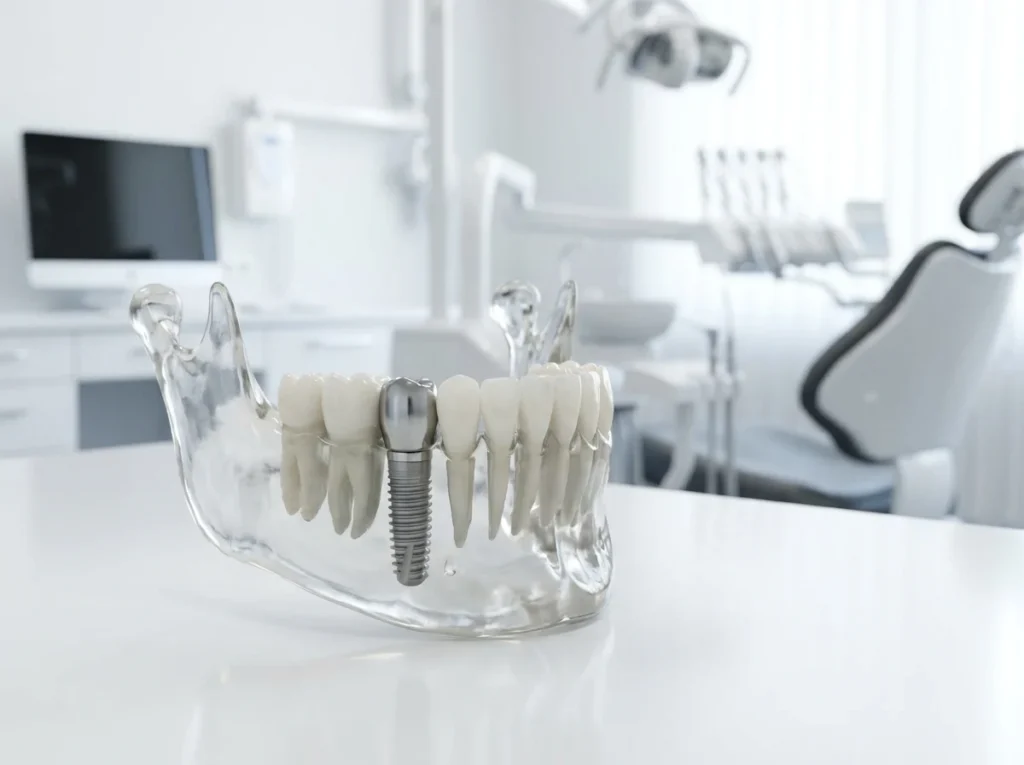
Dental implants are a revolutionary solution for tooth loss. They consist of a titanium post surgically implanted into the jawbone, acting as an artificial root. This post fuses with the bone over time, providing a stable foundation for a replacement tooth or bridge.
One of the key benefits of dental implants is their durability and permanence. Unlike dentures, implants are designed to last for decades, often for a lifetime, with proper care. They provide a natural look and feel, closely mimicking the function of real teeth. Additionally, dental implants help maintain jawbone health by stimulating bone growth, preventing bone loss that typically accompanies missing teeth.
The Procedure
Getting dental implants involves a surgical procedure that requires a strong and healthy jawbone. The process begins with a comprehensive evaluation by a dental professional, often involving X-rays and 3D imaging to assess bone structure and plan the implant placement. The implant procedure itself usually occurs in stages over several months, starting with the implantation of the titanium post, followed by a healing period, and culminating with the attachment of the artificial tooth.
Cost and Maintenance
While dental implants offer numerous advantages, they come at a higher initial cost compared to dentures. However, their longevity can make them a cost-effective solution over time. Maintenance of dental implants involves regular brushing, flossing, and dental check-ups, similar to the care of natural teeth. Proper oral hygiene is critical to prevent infections like peri-implantitis.
Exploring Dentures
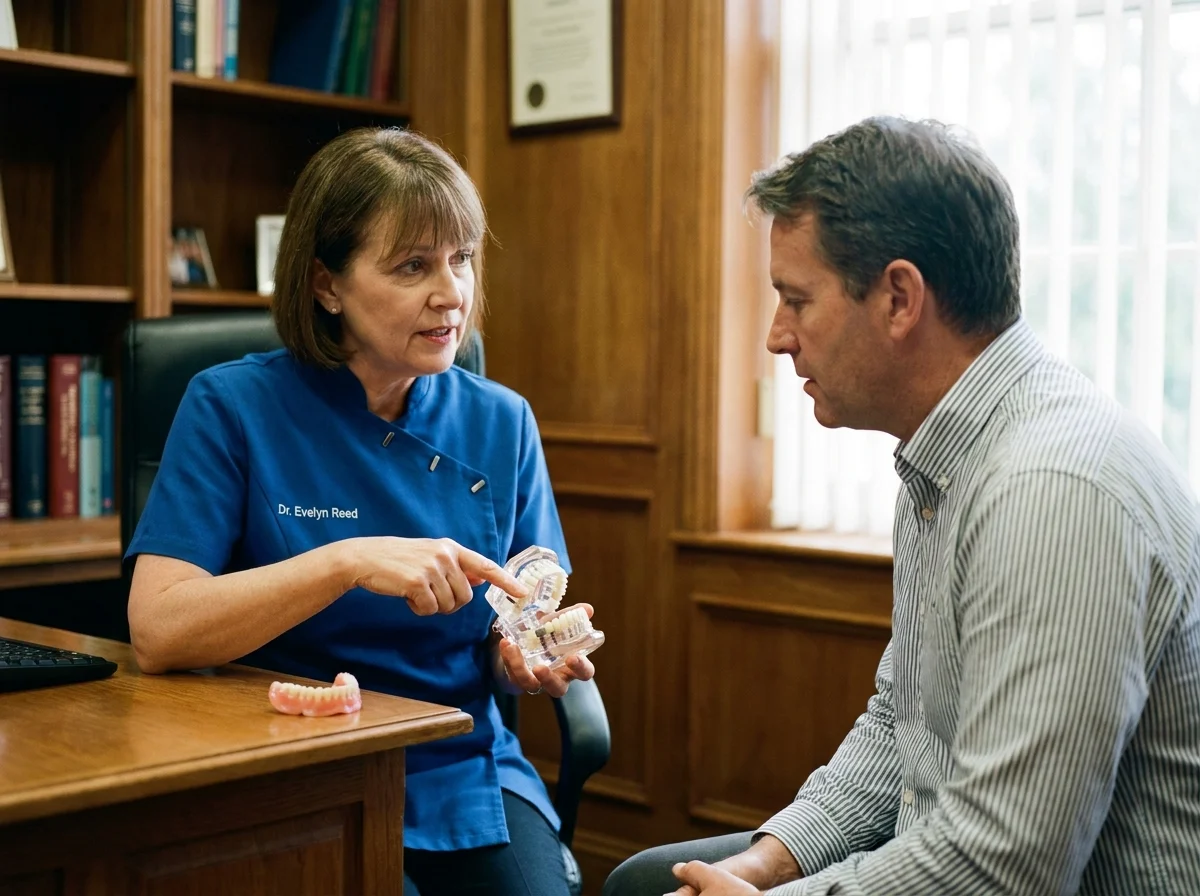
Dentures are removable appliances that replace missing teeth and surrounding tissues. They are typically made from acrylic resin, sometimes combined with metal attachments. Dentures can be full or partial, depending on whether they replace all or just some missing teeth.
One of the primary benefits of dentures is their affordability and non-invasive nature. They do not require surgery, making them a suitable option for individuals who may not qualify for dental implants due to bone loss or other health issues. Dentures can also be adjusted or replaced easily, accommodating changes in the mouth’s structure over time.
Types of Dentures
There are several types of dentures to consider. Complete dentures are used when all teeth are missing, while partial dentures are used when some natural teeth remain. Conventional dentures are made after the teeth have been removed and the gums have healed, whereas immediate dentures are placed immediately after teeth removal, though they may require adjustments as gums heal.
Considerations for Dentures
While dentures are less expensive upfront, they require regular maintenance and replacement. They need to be cleaned daily and removed at night to prevent oral infections. Over time, dentures may become loose as the jawbone changes shape, necessitating adjustments or replacements. This ongoing maintenance can accumulate costs over the years.
Comparing Dental Implants and Dentures
When deciding between dental implants and dentures, several factors should be considered. Your oral health status, bone density, budget, and personal preferences play crucial roles in determining the most suitable option.
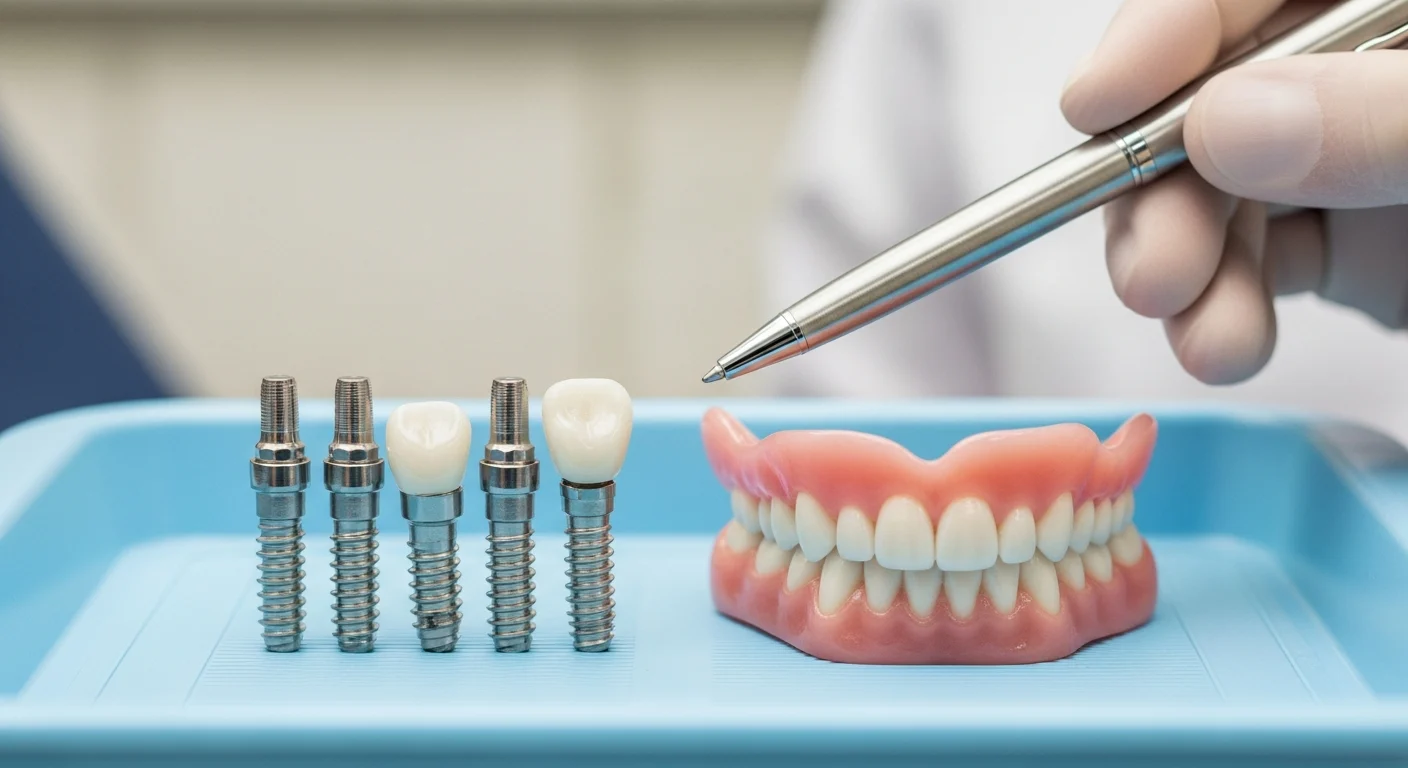
For individuals with sufficient jawbone density, dental implants offer a more permanent and natural-feeling solution. They eliminate the inconvenience of removable appliances and provide superior stability, allowing for easier eating and speaking. However, the surgical aspect and higher initial cost are factors to weigh.
Flexibility and Aesthetics
Dentures, on the other hand, offer flexibility and a less invasive solution. They are ideal for those who cannot undergo surgery or wish to avoid it. Modern advancements have improved the aesthetic appearance of dentures, making them look more natural than ever before. However, they may require periodic refitting and can sometimes cause discomfort or irritation.
Long-term Health Implications
Another important consideration is the long-term health implications. Dental implants help preserve the jawbone and prevent further bone deterioration, which is a significant advantage over dentures. Dentures do not offer this benefit and may even contribute to bone loss over time, as they do not provide the same level of stimulation to the jawbone.
Choosing the Right Option for You
Ultimately, the choice between dental implants and dentures is a personal one that should be made in consultation with a dental professional. Consider your current oral health, lifestyle needs, and budget. Discuss with your dentist or oral surgeon to understand the feasibility of each option based on your specific circumstances.
It may also be beneficial to consider a second opinion to ensure you have explored all options and received comprehensive advice. Remember, investing in your oral health will contribute significantly to your overall well-being and quality of life.
Takeaways
In conclusion, both dental implants and dentures offer viable solutions for tooth replacement, each with distinct benefits and limitations. Dental implants provide a long-lasting, natural-looking solution that promotes oral health, while dentures offer a more affordable and less invasive alternative. By understanding the differences and considering your personal needs, you can make an informed decision that enhances your smile and improves your oral health.

For more detailed information on dental implants, check out this resource on dental implants. Always consult with your dental care provider to discuss the best options tailored to your needs.
Post-Decision Care and Maintenance
Whether you opt for dental implants or dentures, understanding the necessary care and maintenance is crucial for long-term success and oral health. Proper care not only preserves the functionality and appearance of your tooth replacement option but also contributes to the overall health of your gums and remaining teeth.
Caring for Dental Implants
Caring for dental implants is similar to maintaining natural teeth, but with added attention to detail. Regular brushing and flossing are essential to remove plaque and prevent gum disease. Consider using a soft-bristled toothbrush and a low-abrasive toothpaste to avoid damage to the implants and surrounding tissues. Some patients find that specialized interdental brushes or water flossers are effective in cleaning hard-to-reach areas around the implant.
Regular dental check-ups are also vital. Your dentist will monitor the health of your implants and the surrounding gum tissue, ensuring any potential issues are addressed promptly. Professional cleanings can effectively remove stubborn tartar and plaque that might accumulate despite diligent home care.
Caring for Dentures
The care routine for dentures differs significantly from that of dental implants. Dentures should be removed and cleaned daily to prevent bacterial buildup and maintain oral hygiene. Use a soft denture brush and a non-abrasive cleanser specifically formulated for dentures to clean them thoroughly. Avoid using regular toothpaste, which can be too abrasive and damage the denture material.

It’s also essential to soak your dentures overnight in a denture cleaning solution or plain water to keep them moist and maintain their shape. Regular visits to the dentist are recommended to check the fit of the dentures and make any necessary adjustments. An ill-fitting denture can lead to sore spots, irritation, and even infections, compromising your comfort and oral health.
Impact on Lifestyle and Confidence
Choosing between dental implants and dentures can significantly impact your lifestyle and self-confidence. Understanding how each option affects your daily life can help you make a decision that aligns with your personal preferences and priorities.
Living with Dental Implants
Dental implants offer a seamless, natural-feeling solution that integrates into your lifestyle with minimal disruption. Their stability allows you to eat a wide variety of foods without worrying about shifting or discomfort. Additionally, because they look and feel like natural teeth, dental implants can significantly boost your self-confidence, allowing you to speak, smile, and laugh without hesitation.
For many, the permanence of dental implants provides peace of mind, knowing they have a reliable solution that supports not only their oral health but also their overall quality of life. This confidence can extend beyond the dining table, influencing professional interactions and personal relationships positively.
Living with Dentures
While dentures may require an adaptation period, many users find that they can comfortably integrate into their daily routine. Advances in denture technology have improved the fit and appearance, allowing for a more natural look and feel. However, some individuals may experience initial challenges with speaking and eating, which can affect their confidence levels.

Regular maintenance and occasional adjustments are part of living with dentures, and being prepared for this can help manage expectations. Over time, most denture wearers adjust to these requirements, finding a balance that allows them to enjoy life with minimal inconvenience.
Consulting with Dental Professionals
Ultimately, the decision between dental implants and dentures is best made with the guidance of qualified dental professionals. Your dentist or oral surgeon can provide personalized advice based on a thorough evaluation of your oral health, medical history, and personal preferences.
Take the time to discuss your options, ask questions, and consider seeking a second opinion if you’re uncertain. A collaborative approach with your dental team ensures that you receive a tooth replacement solution tailored to your unique needs, promoting long-term satisfaction and oral health.
Final Thoughts
Deciding between dental implants and dentures is a significant step in restoring your smile and oral functionality. Both options offer specific benefits and challenges that require careful consideration. By understanding the differences, evaluating your personal needs, and consulting with dental professionals, you can make an informed decision that enhances your quality of life.
Remember, investing in your oral health is an investment in your overall well-being. With the right choice and proper care, you can enjoy a confident, healthy smile for years to come.