
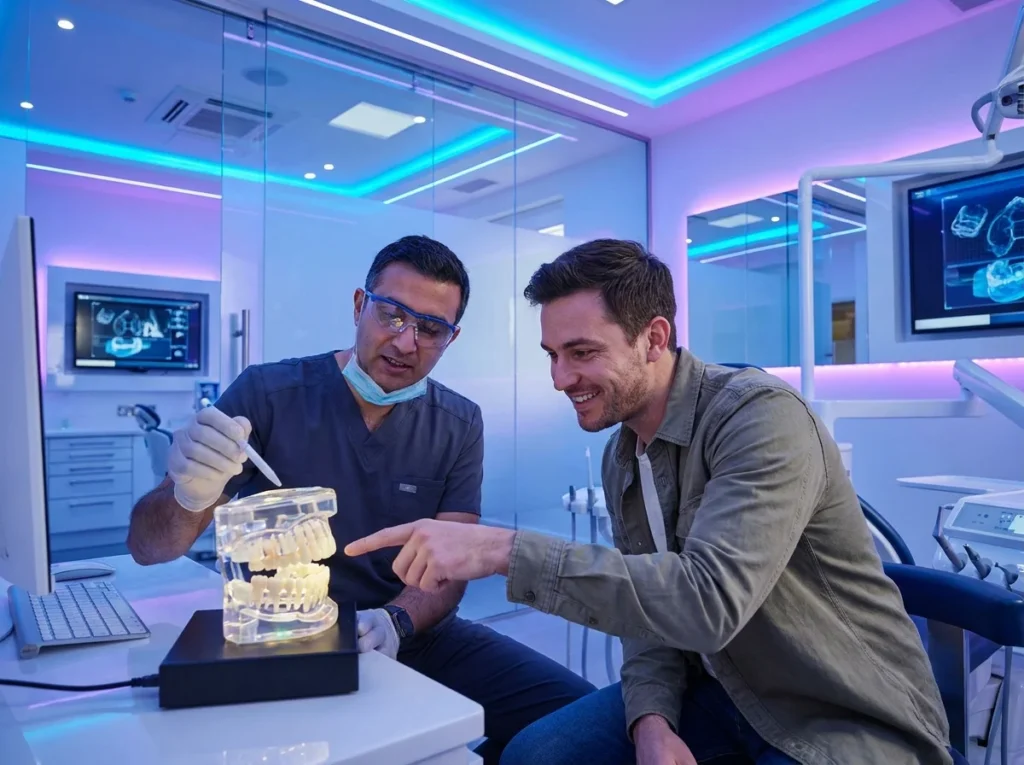
Understanding the Necessity of Bone Grafts in Dental Implants
Dental health has seen remarkable advancements over the years, making procedures like dental implants more accessible and successful. However, one question that often arises is whether a bone graft is necessary before getting a dental implant. This comprehensive guide explores the intricacies of dental implants and the role bone grafts play in ensuring their success.
What is a Dental Implant?
Dental implants are artificial tooth roots, typically made of titanium, that provide a permanent base for fixed or removable replacement teeth. They are designed to blend in with your other teeth and are considered a long-term solution for individuals with missing teeth.
The process of getting a dental implant involves several steps, including the initial consultation, implant placement, healing, and finally, crown placement. However, the success of this procedure hinges significantly on the condition of your jawbone, which may necessitate a bone graft.
The Role of Bone Grafts in Dental Implants
A bone graft is a surgical procedure that replaces missing bone in your jaw with material from your body, a donor, or a synthetic source. Bone grafts are essential when the existing bone structure is insufficient to support a dental implant. This insufficiency might be due to bone loss caused by periodontal disease, tooth loss, or other factors.
The primary objective of a bone graft is to increase the amount of available bone, providing a stable foundation for the dental implant. Bone grafts can also help restore the natural contour of your jawline, enhancing both the functionality and aesthetic appearance of the implant.
Types of Bone Grafts
Various types of bone grafts are available, each with unique benefits and applications. The choice of graft depends on the specific needs of the patient and the dentist’s expertise. Here are some common types:

Autografts
Autografts use bone material harvested from the patient’s own body, often from the chin or another area of the jaw. This type of graft is considered the gold standard because it eliminates the risk of graft rejection and integrates well with existing bone.
Allografts
Allografts are sourced from a donor, typically from a bone bank. These grafts undergo rigorous screening and processing to ensure safety. They are a popular choice because they do not require a second surgical site, reducing the patient’s recovery time.
Xenografts
Xenografts come from non-human sources, such as bovine bone. These grafts are processed to remove all organic components, leaving behind a mineral scaffold that supports new bone growth. This type of graft can be particularly useful in cases of significant bone loss.
Alloplasts
Alloplasts are synthetic materials that mimic the properties of natural bone. They are biocompatible and can stimulate bone growth. Alloplasts offer an alternative for patients who prefer not to use human or animal tissues.
When is a Bone Graft Necessary?
Determining the necessity of a bone graft before a dental implant depends on several factors, including the amount of remaining bone, the location of the missing tooth, and the patient’s overall health. A thorough evaluation by your dentist or oral surgeon, often including X-rays or 3D imaging, will help assess the bone quality and density.
Bone grafts are typically recommended in cases where:
- There is significant bone loss due to tooth extraction or periodontal disease.
- The existing bone structure is too narrow or soft to support an implant.
- There is a need to enhance the aesthetic outcome of the implant.
The Bone Grafting Procedure
The bone grafting procedure varies depending on the type of graft used but generally follows a standard protocol:

- Anesthesia: The procedure begins with the administration of local anesthesia to numb the area.
- Incision: An incision is made in the gum to expose the bone.
- Graft Placement: The bone graft material is carefully placed at the site.
- Closure: The gum is stitched back in place to cover the graft.
- Healing: The graft integrates with the existing bone over several months, creating a stable base for the implant.
Recovery and Aftercare
Post-operative care is crucial for successful bone grafting. Patients can expect some swelling and discomfort, which can be managed with pain medication and ice packs. It is essential to follow the dentist’s instructions, which may include:
- Maintaining oral hygiene with gentle brushing and antiseptic mouthwash.
- Eating soft foods to avoid disturbing the graft site.
- Avoiding smoking and alcohol consumption, as these can impede healing.
Regular follow-up appointments will ensure the graft is healing correctly and prepare the patient for the next steps in the implant process.
Potential Risks and Complications
While bone grafting is generally safe, like any surgical procedure, it carries some risks. Complications are rare but may include infection, graft rejection, or nerve damage. Choosing a skilled and experienced dental professional can significantly reduce these risks.

It is vital to discuss any concerns or underlying health issues with your dentist to minimize complications and ensure a smooth recovery.
Is a Bone Graft Necessary for You?
Bone grafts play a critical role in the success of dental implants, offering a solution for patients with insufficient bone structure. Whether or not a bone graft is necessary depends on individual circumstances, including the extent of bone loss and the desired outcome of the implant.
Consulting with a qualified dental professional is the best way to determine the need for a bone graft. They can provide personalized advice and develop a treatment plan tailored to your specific needs. For those considering dental implants, understanding the importance of bone grafts can enhance the procedure’s success and lead to a healthier, more confident smile.
For those interested in the technical aspects of dental implants and bone grafting, understanding the underlying biological processes can be immensely beneficial. Bone grafts are not just structural supports; they also play a dynamic role in stimulating the body’s natural bone regeneration processes. This biological interaction is crucial for the long-term stability of dental implants.
How Bone Grafts Stimulate Bone Regeneration
Bone is a living tissue that continually remodels itself. When a bone graft is placed, it serves as a scaffold for new bone growth. This process is known as osteoconduction. The graft material provides a framework that encourages the existing bone to form new bone tissue around it.
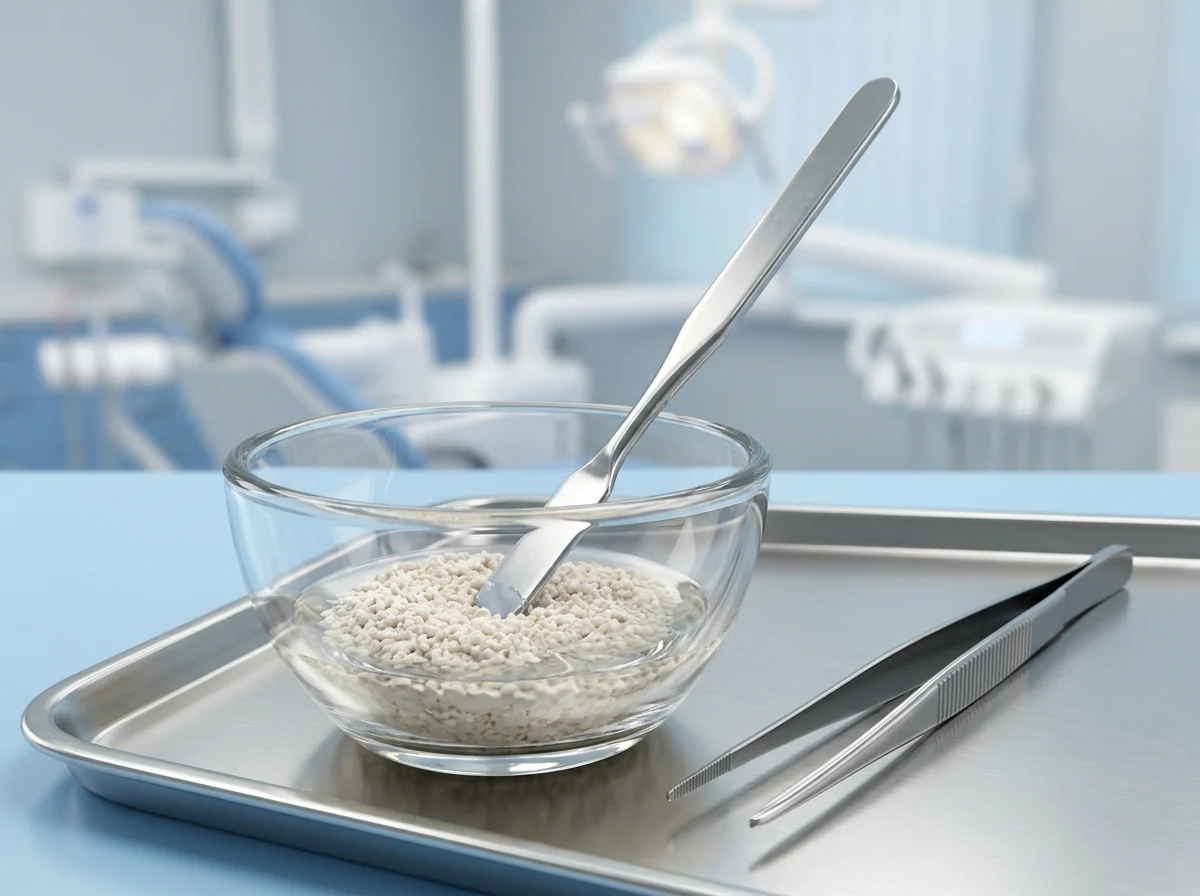
In some cases, bone graft materials contain factors that promote osteogenesis, which is the formation of new bone by cells called osteoblasts. These factors can significantly enhance the healing process, making the graft more effective and ensuring a robust foundation for the implant. Additionally, some bone grafts possess osteoinductive properties, which means they can stimulate immature cells to develop into bone-forming cells, further boosting bone regeneration.
Patient Considerations and Expectations
When considering a bone graft, patients should be aware of the time investment and the potential need for multiple procedures. The healing time for a bone graft can vary, often taking anywhere from three to nine months, depending on the size of the graft and individual healing rates. During this period, regular dental visits are essential to monitor progress and ensure proper integration of the graft.
Patients should also consider the long-term benefits of undergoing a bone graft. While it may extend the overall timeline for receiving a dental implant, the result is typically a more stable and aesthetically pleasing implant. For many, the investment in time and care during the initial stages is well worth the outcome of a successful dental implant that can last many years with proper maintenance.
Advancements in Bone Grafting Techniques
Recent advancements in dental technology have introduced new techniques and materials that enhance the effectiveness and predictability of bone grafts. For instance, the use of platelet-rich plasma (PRP) in conjunction with bone grafts has shown promising results in accelerating the healing process. PRP is derived from a patient’s own blood and contains growth factors that can stimulate bone and soft tissue healing.

Additionally, the advent of 3D printing technology has allowed for the creation of customized bone graft scaffolds tailored to the patient’s specific anatomy. These customized solutions can improve the fit and integration of the graft, leading to better outcomes and reduced healing times.
Making an Informed Decision
Deciding to undergo a bone graft before receiving a dental implant is a significant decision that should be made in consultation with your dental care provider. Understanding the necessity, process, and benefits of bone grafting can empower patients to make informed choices about their dental health.
Ultimately, the goal of a bone graft is to ensure the long-term success of a dental implant. By creating a solid foundation, bone grafts not only support the physical structure of the implant but also contribute to the overall oral health and well-being of the patient. Whether you require a bone graft or not, discussing your options with a knowledgeable dental professional is the first step toward achieving a healthy, beautiful smile.