
In recent years, there has been a growing trend among adults seeking orthodontic treatment to opt for Invisalign, a popular brand of clear aligners. These aligners offer a discreet and convenient alternative to traditional metal braces, making them particularly appealing to adults who are concerned about aesthetics or who want to minimize disruption to their daily lives. However, before embarking on this journey to a straighter smile, it’s essential to understand what the treatment entails and what you can expect throughout the process.
While Invisalign is an excellent solution for many, it requires a commitment and understanding of the treatment’s intricacies to ensure successful outcomes. From the initial consultation to the post-treatment maintenance, let’s delve into everything you need to know before starting clear aligner treatment as an adult.
Understanding How Invisalign Works
Invisalign treatment involves a series of custom-made, transparent aligners that gradually shift your teeth into the desired position. These aligners are designed using advanced 3D imaging technology to map out the precise movements required for your teeth. Unlike traditional braces, Invisalign aligners are removable, allowing you to maintain oral hygiene with ease and enjoy your favorite foods without restrictions.
The treatment process typically starts with a consultation with an orthodontist or dentist who is experienced in Invisalign treatment. During this initial visit, your dental professional will examine your teeth, discuss your goals, and determine if you are a suitable candidate for Invisalign. If you are a candidate, they will proceed to take digital scans or impressions of your teeth to create a personalized treatment plan.
The Benefits of Invisalign for Adults
One of the primary reasons adults choose Invisalign over traditional braces is the aesthetic advantage. The clear aligners are virtually invisible, making them an attractive option for those who are conscious of their appearance. Whether you’re at work, attending social events, or simply going about your daily routine, Invisalign allows you to smile confidently without the distraction of metal brackets and wires.
Another significant benefit is the comfort factor. Invisalign aligners are made from smooth, medical-grade plastic, reducing the likelihood of irritation and discomfort that often accompany metal braces. Furthermore, since the aligners are removable, you can maintain optimal oral hygiene by brushing and flossing as you normally would, reducing the risk of cavities and gum disease during treatment.

Considerations and Commitment
While Invisalign offers numerous advantages, it also requires a level of commitment and responsibility. For the treatment to be effective, aligners must be worn for 20 to 22 hours per day. This means you will need to remove them only for eating, drinking (anything other than water), and oral care. Consistency in wearing the aligners is crucial to achieve the desired results within the estimated timeframe.
It’s also important to note that Invisalign may not be suitable for all types of orthodontic issues. Complex cases involving significant bite misalignment or severe crowding might require traditional braces or other orthodontic interventions. Your dentist will be the best judge of the appropriate treatment option for your specific needs.
Adjusting to Life with Aligners
Initially, you might experience some discomfort or pressure as your teeth begin to move. This is normal and typically subsides within a few days of starting a new set of aligners. Over-the-counter pain relievers can help alleviate any discomfort during this adjustment period.
Speech may also be temporarily affected when you first start wearing aligners, but this usually resolves quickly as you get accustomed to them. Practicing speaking with the aligners in place can help expedite this adjustment phase.
Cost and Insurance Considerations
The cost of Invisalign treatment can vary depending on several factors, including the complexity of your case, the duration of treatment, and your geographic location. On average, costs are comparable to traditional braces, but they can sometimes be higher due to the advanced technology involved. It’s essential to discuss the cost and payment options with your dentist during your initial consultation.

Many dental insurance plans cover a portion of the cost of Invisalign treatment, similar to how they cover traditional braces. It’s advisable to check with your insurance provider to understand the specifics of your coverage. Additionally, some orthodontic practices offer flexible financing plans to help manage the cost of treatment.
Maintaining Results Post-Treatment
Upon completion of your Invisalign treatment, maintaining the results becomes a priority. To prevent your teeth from shifting back to their original position, you will likely be provided with retainers. These are typically worn full-time initially and then gradually reduced to nighttime wear as directed by your dentist.
It’s crucial to adhere to the retainer schedule provided by your dentist to ensure long-lasting results. Regular dental check-ups and good oral hygiene practices will also contribute to maintaining your newly aligned smile.
Potential Long-Term Benefits
Beyond the aesthetic improvements, Invisalign treatment can also have positive effects on your overall oral health. Properly aligned teeth are easier to clean, reducing the risk of cavities and gum disease. Additionally, correcting bite issues can alleviate symptoms such as jaw pain and headaches, contributing to better oral function and quality of life.
Is Invisalign Right for You?
Invisalign presents a compelling option for adults seeking a discreet and effective way to straighten their teeth. With its clear aligners, ease of use, and aesthetic appeal, it’s no surprise that it has become a popular choice for orthodontic treatment. However, it’s essential to weigh the benefits against the commitment required and consult with a qualified dental professional to determine if Invisalign is the right fit for your needs.
Whether you’re looking to correct minor alignment issues or more complex orthodontic concerns, investing in your smile through Invisalign can lead to improved confidence and oral health. By understanding the process and adhering to treatment guidelines, you can achieve a beautiful, straight smile that lasts a lifetime.
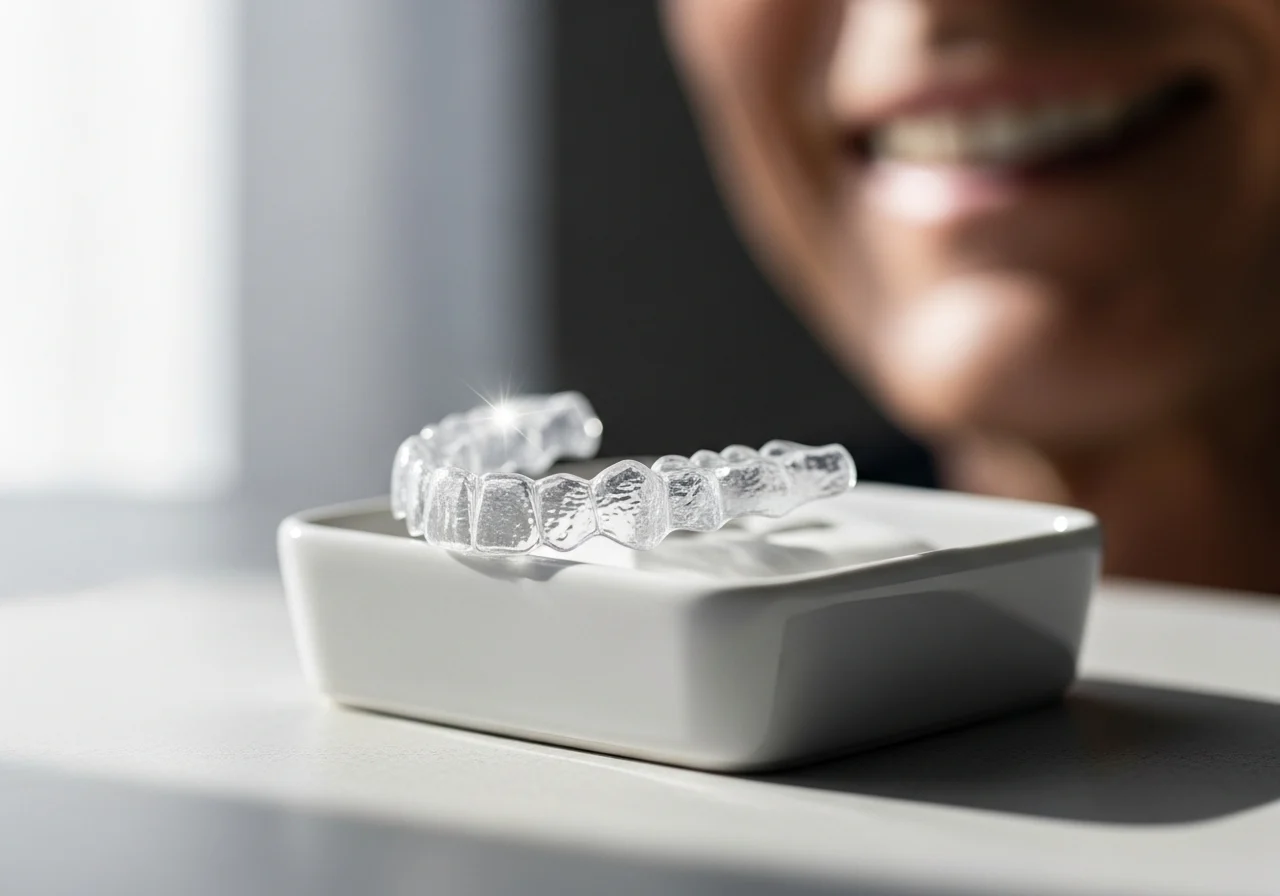
As you consider embarking on your Invisalign journey, it’s crucial to be well-informed and prepared for each step of the process. Understanding the nuances of this treatment will aid in achieving the best possible outcomes while ensuring you make informed decisions about your oral health.
Finding the Right Dental Professional
Choosing the right dentist or orthodontist is a pivotal step in your Invisalign treatment. Not all dental professionals have the same level of experience with Invisalign, so it’s essential to select someone who is well-versed and certified in this particular method. You may start by researching dentists in your area who are recognized as Invisalign providers and have a proven track record of successful treatments.
A consultation appointment is a great opportunity to ask questions, understand their approach, and assess their experience with cases similar to yours. Additionally, reading reviews and asking for recommendations from friends or family who have undergone Invisalign treatment can provide valuable insights into the dentist’s reputation and patient satisfaction.
Preparing for Treatment
Before starting your Invisalign treatment, there are several preparatory steps you can take to ensure a smooth experience. First and foremost, maintaining excellent oral hygiene is crucial. A thorough dental cleaning before beginning treatment can help ensure your teeth and gums are in optimal condition.
It’s also wise to schedule any necessary dental work, such as fillings or extractions, prior to starting your aligner treatment. Addressing these issues beforehand will prevent disruptions once you begin wearing your aligners. Discuss any pre-existing dental concerns with your dentist to determine the best course of action.

Setting Expectations
Understanding what to expect during your Invisalign treatment will help you stay motivated and committed to the process. While the average treatment duration ranges from 12 to 18 months, depending on the complexity of your case, your dentist will provide a more accurate estimate tailored to your specific needs.
Regular appointments are an integral part of the treatment, allowing your dentist to monitor progress and make any necessary adjustments. Typically, you will receive new sets of aligners every one to two weeks, each designed to move your teeth incrementally closer to the desired position.
Potential Challenges and Solutions
Like any orthodontic treatment, Invisalign may present some challenges along the way. One common issue is the potential for aligners to become misplaced or lost. To mitigate this, always store your aligners in their designated case when not in use. This simple habit will protect them from accidental damage or loss.
Another potential challenge is maintaining the discipline to wear the aligners for the recommended 20 to 22 hours each day. Setting reminders on your phone or creating a routine can help ensure you adhere to this guideline, maximizing the effectiveness of the treatment.
Overcoming Adjustment Periods
As with any orthodontic device, there is an adjustment period when starting with Invisalign. Initially, you may experience minor speech changes or a feeling of tightness as your teeth begin to shift. These temporary side effects are normal and typically resolve quickly as you adapt to wearing the aligners.

To ease the transition, practice speaking with the aligners in place and stay hydrated to keep your mouth comfortable. If discomfort persists, your dentist can provide guidance and recommend solutions to alleviate any issues.
Embracing Your New Smile
As you progress through your Invisalign treatment, you’ll start to notice significant changes in your smile. Each aligner set brings you closer to the end goal: a beautifully aligned set of teeth that you can proudly display. This transformation is not only physical but often boosts confidence and self-esteem.
Once your treatment is complete and you transition to retainers, maintaining regular dental appointments and following your dentist’s guidance will help preserve your results and ensure your smile remains radiant for years to come.
Invisalign offers a modern, effective solution for adults seeking orthodontic treatment. By understanding the process, committing to the guidelines, and working closely with a trusted dentist, you can achieve the smile of your dreams and enjoy the lifelong benefits of improved oral health.
For more information on how Invisalign works, you can visit the American Dental Association’s page on Invisalign. Additionally, you might find it helpful to read about NHS insights on Invisalign treatment and explore Mayo Clinic’s overview of Invisalign for a comprehensive understanding of the treatment.
Need help with Invisalign for Adults: What to Know Before Starting Clear Aligner Treatment?