Front Tooth Crowns: Best Materials, Procedure, Cost & Results
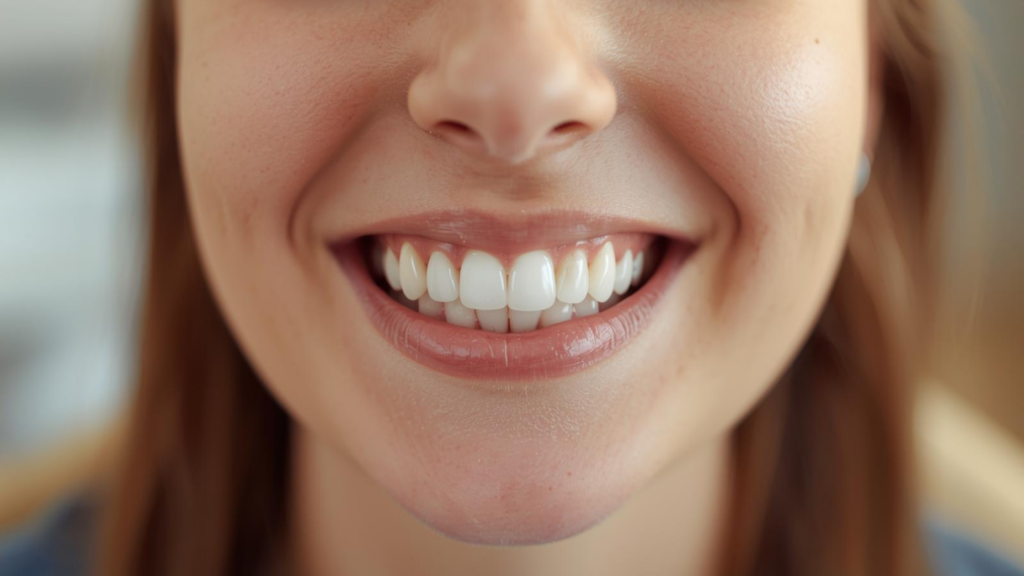
Your front teeth do more than help you chew. They are the first thing people notice when you smile, speak, or laugh. When a front tooth is cracked, decayed, or visually damaged, the impact goes beyond oral health and touches confidence in everyday moments. A front tooth crown restores both the function and the appearance of a compromised tooth, and when it is done well, nobody should be able to tell it is there. For families across Aurora, from Hampden Heights to the neighborhoods surrounding Utah Park and Villages East, SMYLE Dental Design (Formerly Miyamoto Family Dental) offers front tooth crown restorations built around natural aesthetics and lasting results. Here is what you need to know before your consultation. What Are Front Tooth Crowns? A dental crown is a custom-made cap that fits over a damaged tooth, restoring its shape, strength, and appearance. When placed on a front tooth, the stakes for how natural it looks are considerably higher than for a crown tucked away on a back molar. What Makes Front Tooth Crowns Different? Front teeth sit in the most visible part of your smile, so every crown placed there must satisfy two standards simultaneously: it has to function properly and it has to look like it belongs. That means matching the exact shade, translucency, size, and surface texture of the teeth around it. Front teeth also experience different forces than molars. Rather than grinding and crushing food, they do most of their work in biting and tearing. That means a front tooth crown does not need to be as thick or as heavily reinforced as a back crown, which actually gives the dentist more flexibility to prioritize aesthetics in the material selection. When Do You Need a Crown on a Front Tooth? Several situations can lead your dentist in Aurora, CO to recommend a crown rather than a simpler fix: If you are near Dam East or the area around the Kennedy Golf Course and noticing sensitivity, visible damage, or discoloration on a front tooth, early evaluation makes a meaningful difference in how many treatment options remain available to you. Best Materials for Front Tooth Crowns Material selection is where front tooth crowns get interesting. Because appearance is the primary concern, your dentist will guide you toward materials that replicate the look of natural enamel rather than materials chosen purely for strength. Porcelain Crowns All-porcelain crowns remain the gold standard for front tooth restorations. The material mimics natural enamel in the way it reflects and transmits light, which is what gives teeth their subtle depth and warmth. Porcelain can be layered and sculpted to create surface detail that matches the character of your surrounding teeth, including slight variations in color from the gum line to the tip of the tooth. For patients near Heather Ridge and Villages East who prioritize a seamlessly natural result, porcelain is typically the first recommendation for anterior teeth. Zirconia Crowns Zirconia has grown significantly in popularity for front teeth over the past decade. It is exceptionally strong, which matters for patients who grind their teeth or have a heavy bite even on their front teeth. Modern high-translucency zirconia has overcome the opacity problems that made earlier versions look flat and artificial. Today, a well-crafted zirconia crown for a front tooth can be virtually indistinguishable from natural enamel, and it will likely outlast an all-porcelain crown. Porcelain-Fused-to-Metal (PFM) Crowns PFM crowns have a metal substructure with a porcelain exterior. They are durable and have been a reliable standard in dentistry for decades. The aesthetic limitation is that over time, as the gum line naturally shifts with age, the dark metal collar at the base of the crown can become visible. For this reason, many dentists now steer patients toward all-ceramic or zirconia options for front teeth, reserving PFM crowns for situations where there is a specific clinical reason to use them. Which Material Looks Most Natural? Both porcelain and high-translucency zirconia can produce front tooth crowns that are difficult to distinguish from natural teeth. The practical difference comes down to your specific situation. Porcelain offers the most refined aesthetic customization and is ideal when the goal is an exceptionally lifelike result. Zirconia is the better choice when durability is also a priority. Color matching is as important as material choice. Using a dental shade guide, Dr. Zhu carefully evaluates the color, saturation, and brightness of your adjacent teeth before the crown is fabricated. For complex cases, custom instructions are sent to the dental laboratory so technicians can layer and characterize the porcelain or zirconia to exactly match your natural smile. Front Tooth Crown Procedure Step 1: Consultation and Smile Evaluation Your appointment begins with digital X-rays and a thorough clinical exam to assess the health of the tooth and the surrounding bone. Shade matching takes place at this stage while the tooth is still intact and can be compared naturally to neighboring teeth. Dr. Zhu uses this information to develop a treatment plan that accounts for both the structural and cosmetic goals for your specific smile. Step 2: Preparing the Tooth The tooth is reshaped to create room for the crown without making it look bulky once placed. Any decay is removed, and the tooth is cleaned and smoothed. Digital or physical impressions capture the precise dimensions of the prepared tooth and the surrounding bite, which the laboratory uses to fabricate your permanent crown. Step 3: Temporary Crown While the permanent crown is being made, a temporary crown is placed to protect the prepared tooth. It keeps the tooth stable, prevents sensitivity, and maintains the appearance of your smile in the meantime. Temporaries are designed to be removed easily at your follow-up appointment. Step 4: Final Crown Placement When the permanent crown arrives from the lab, it is tried in and evaluated for fit, shade, and how it interacts with your bite. Minor adjustments can be made chairside. Once both you and Dr. Zhu are satisfied with the result, the crown is permanently